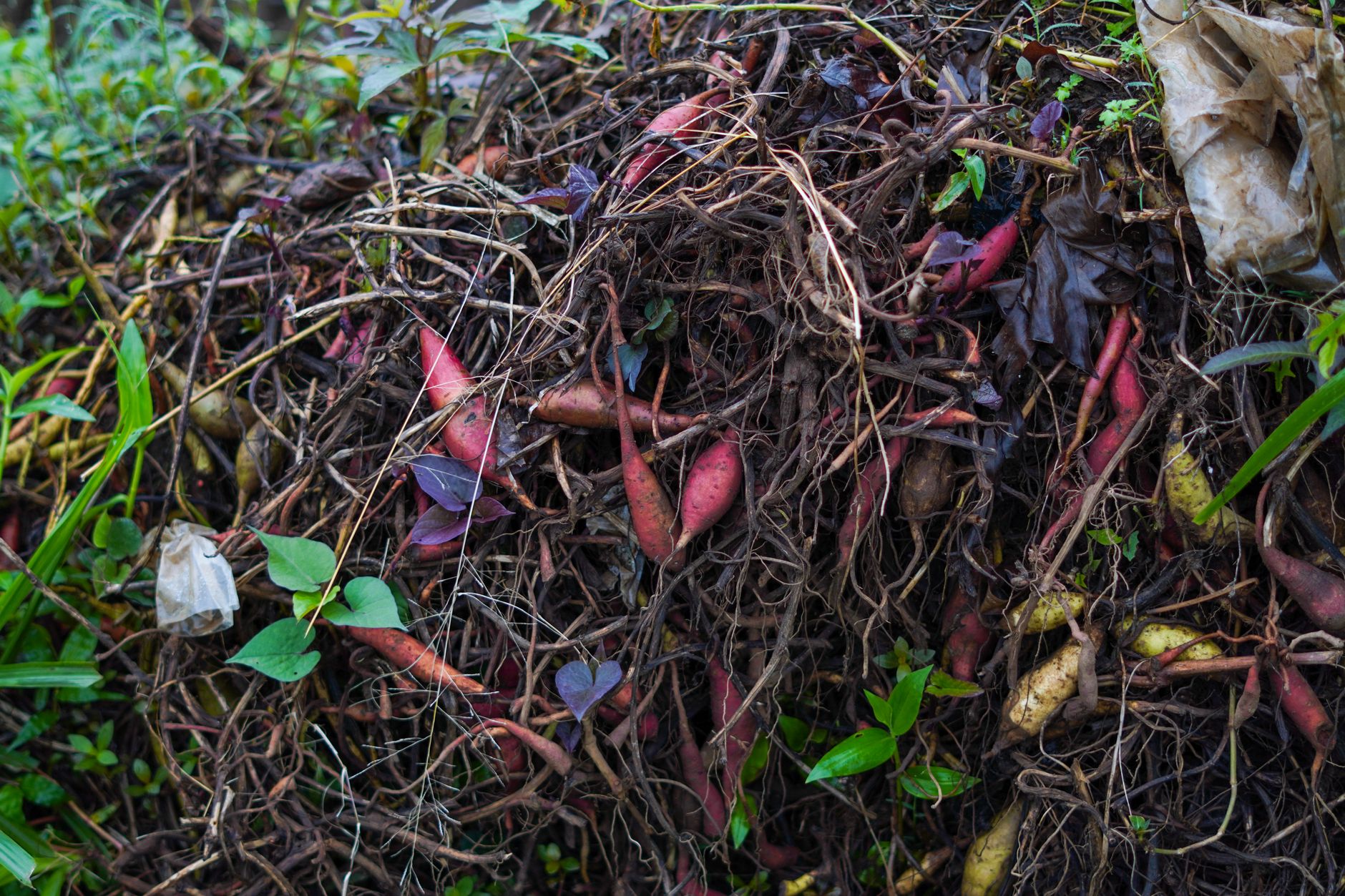
The compost microbe enzyme is revolutionizing waste management by tackling polyurethane foam and nylon. This breakthrough offers a promising solution to environmental challenges posed by these materials.
What is the compost microbe enzyme?
The compost microbe enzyme is a powerful biological catalyst derived from specific microorganisms found in compost. These enzymes play a crucial role in breaking down complex organic materials, making them essential for effective composting processes. Recent research has highlighted the potential of these enzymes to tackle not only traditional compostable materials but also more challenging substances like polyurethane foam and nylon.
These enzymes function by accelerating chemical reactions that break down the molecular structure of different types of waste. By utilizing the natural abilities of compost microbes, researchers have developed a method to enhance the degradation of synthetic polymers, which are notoriously difficult to dispose of. This breakthrough offers a promising solution to the global plastic waste crisis.
Key benefits of the compost microbe enzyme include:
- Efficiency: The enzyme significantly speeds up the decomposition process.
- Eco-friendliness: It provides a sustainable approach to waste management without relying on harmful chemicals.
- Versatility: Capable of breaking down a variety of organic and synthetic materials, expanding the potential for composting.
As the world seeks effective ways to manage waste, the compost microbe enzyme represents a simple yet innovative solution that could revolutionize recycling and composting practices, paving the way for a cleaner environment.
How does it tackle polyurethane foam?
The compost microbe enzyme has emerged as a promising solution for breaking down polyurethane foam, a material that poses significant environmental challenges. This enzyme, derived from a specific composting microbe, works by targeting the complex chemical structure of polyurethane, facilitating its decomposition into less harmful components.
Polyurethane foam is commonly found in various products, including furniture, mattresses, and insulation materials. Its durability makes it resistant to natural degradation, leading to accumulation in landfills and oceans. The introduction of the compost microbe enzyme into waste management practices could revolutionize the way we handle this persistent problem.
When applied to polyurethane foam waste, the compost microbe enzyme initiates a series of biochemical reactions that break down the polymer chains. This process not only accelerates decomposition but also transforms the foam into organic matter that can be safely reintegrated into the soil. The potential benefits include:
- Reduction in landfill waste: By decomposing polyurethane foam, the enzyme helps divert significant amounts of waste from landfills.
- Environmental restoration: The resulting organic matter can enhance soil quality, promoting healthier ecosystems.
- Resource recovery: The breakdown process opens up avenues for recovering valuable materials that can be repurposed in various industries.
Overall, the compost microbe enzyme offers a sustainable and effective method for tackling polyurethane foam, paving the way for greener waste management solutions.
Benefits of using compost microbes
The use of compost microbe enzymes presents numerous benefits for both the environment and waste management practices. These enzymes, produced by specialized microorganisms, facilitate the breakdown of complex materials, turning waste into valuable resources.
- Enhanced Waste Decomposition: Compost microbes accelerate the decomposition process, allowing organic waste to break down more efficiently. This results in reduced landfill contributions and lower greenhouse gas emissions.
- Nutrient-Rich Compost: The byproducts of composting with these enzymes lead to nutrient-dense compost, which can enrich soil health and improve plant growth. This provides a sustainable solution for agriculture and gardening.
- Cost-Effective Solution: Utilizing compost microbe enzymes reduces the need for chemical additives in waste treatment processes, leading to cost savings for municipalities and businesses alike.
- Environmental Benefits: By converting waste into compost, these enzymes help mitigate pollution and promote a circular economy. This contributes to a more sustainable ecosystem and reduces the reliance on synthetic materials.
- Adaptability: Compost microbe enzymes can be applied to a variety of waste types, including agricultural residues and organic urban waste, making them versatile tools in waste management.
In summary, the use of compost microbe enzymes offers a simple yet effective solution for tackling waste challenges while promoting environmental sustainability.
Impact on nylon waste disposal
The impact of the compost microbe enzyme on nylon waste disposal is significant and promising. Traditionally, nylon, a synthetic polymer, poses immense challenges for waste management due to its durability and resistance to degradation. However, recent developments in compost microbe enzymes demonstrate a potential breakthrough in addressing this issue.
Researchers have discovered that specific compost microbes can produce enzymes capable of breaking down nylon effectively. This enzymatic action not only accelerates the degradation process but also transforms nylon into non-toxic byproducts. The implications of this discovery are profound, particularly in reducing the accumulation of nylon waste in landfills and oceans.
An essential aspect of utilizing compost microbe enzymes for nylon disposal is their environmentally friendly nature. Unlike conventional chemical methods that may release harmful pollutants, these microbes operate naturally within compost environments, promoting a sustainable approach to waste management.
Furthermore, the widespread application of compost microbe enzymes in waste disposal can lead to significant reductions in landfill reliance. As municipalities and industries seek innovative solutions for waste treatment, integrating these enzymes could pave the way for more efficient recycling processes.
- Environmental benefits: Reduced pollution from nylon degradation.
- Cost-effectiveness: Lower expenses associated with waste management.
- Sustainability: Promotes a circular economy by facilitating recycling.
In summary, the compost microbe enzyme offers a transformative approach to nylon waste disposal, aligning with global sustainability goals.
Future of biodegradable materials
As the world grapples with the growing problem of waste management, the future of biodegradable materials is becoming increasingly vital. With the rise of environmentally friendly solutions, compost microbe enzymes are at the forefront of innovation. These enzymes, derived from naturally occurring compost microbes, provide a promising approach to breaking down materials that have long posed challenges to disposal and environmental sustainability.
Experts predict that the integration of compost microbe enzymes into various biodegradable products will revolutionize the industry. Companies are already exploring the potential of these enzymes to enhance the decomposition process of synthetic materials, such as plastics and foams. This not only reduces landfill waste but also minimizes the ecological footprint associated with traditional waste disposal methods.
In addition, with the increasing demand for sustainable products, manufacturers are keen to adopt biodegradable materials that incorporate these compost microbe enzymes. This shift is expected to lead to a significant reduction in pollution and resource depletion. As consumers become more environmentally conscious, the market for biodegradable alternatives is likely to grow, pushing innovations in the field even further.
Ultimately, the future of biodegradable materials lies in our ability to harness natural solutions like compost microbe enzymes. With continued research and development, these enzymes could pave the way for a cleaner, more sustainable planet.
Research and development updates
Recent studies have revealed significant advancements in the development of compost microbe enzymes, highlighting their potential to transform waste management practices. Researchers have focused on enhancing the efficacy of these enzymes by investigating various strains of compost microbes that exhibit remarkable degradation capabilities.
One of the key updates in this field includes the isolation of specific enzymes that can effectively break down polyurethane foam, a material that has long posed challenges for environmental sustainability. Through continued experimentation, scientists have identified enzymes that not only accelerate the degradation process but also reduce the toxic byproducts typically associated with chemical treatments.
In parallel, advancements have been made in optimizing the conditions under which these compost microbe enzymes operate. By fine-tuning factors such as temperature, pH, and moisture content, researchers have been able to enhance enzyme activity, resulting in more efficient waste breakdown. This optimization is crucial for practical applications in composting systems and waste treatment facilities.
Furthermore, collaborations between academic institutions and industry partners are paving the way for real-world applications of these enzymes. Pilot projects are underway to assess the effectiveness of compost microbe enzymes in various waste disposal contexts, including urban environments and industrial settings.
As research progresses, the potential for compost microbe enzymes to play a pivotal role in promoting sustainable waste management continues to grow, offering hope for a future with reduced landfill reliance and improved environmental health.
The compost microbe enzyme has been shown to accelerate the breakdown of organic materials, making the composting process more efficient. By harnessing the power of this compost microbe enzyme, households can significantly reduce their waste footprint.
Photo by Robbi F on Pexels