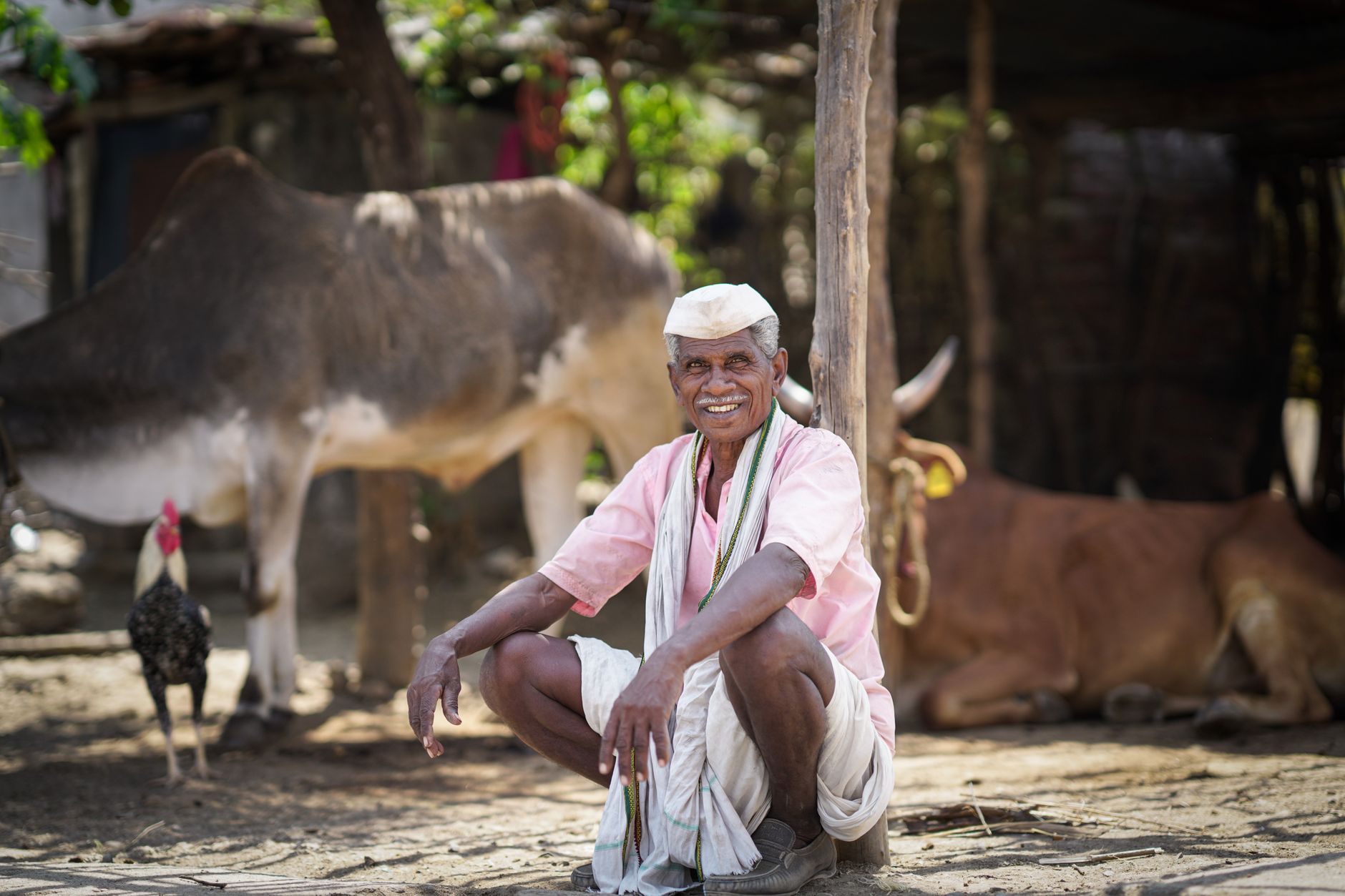
Living longer in India is a growing concern as recent studies indicate that while life expectancy increases, the quality of life may not be improving. This paradox raises important questions about health and well-being in the country.
Understanding Life Expectancy in India
Life expectancy in India has seen a significant increase over the past few decades, with many people now living longer in India compared to previous generations. According to recent studies, the average life expectancy in the country has risen to approximately 69 years.
However, this increase in longevity raises questions about the quality of life during those additional years. The same studies indicate that while people are living longer, many are not necessarily enjoying a healthy or fulfilling life. Factors contributing to this situation include:
- Healthcare Access: There remains a vast disparity in access to quality healthcare services across urban and rural areas.
- Chronic Illness: A significant portion of the population suffers from chronic illnesses, which affects their overall quality of life.
- Poverty: Economic challenges continue to limit the ability of many individuals to access essential resources for a healthy lifestyle.
As India celebrates its progress in increasing life expectancy, it also faces the challenge of ensuring that the additional years are spent in good health. The conversation surrounding living longer in India is now shifting to the importance of quality over mere quantity of years lived.
The Quality of Life Dilemma
As life expectancy in India continues to rise, the question of whether living longer is synonymous with living well becomes increasingly pressing. A recent study highlights that while people are living longer in India, many are also spending significant portions of their later years in poor health or with reduced quality of life.
Several factors contribute to this quality of life dilemma:
- Healthcare Access: Many individuals struggle to access quality healthcare, leading to untreated chronic conditions.
- Poverty: Economic constraints often force people to prioritize basic needs over health and wellness.
- Urbanization: Rapid urban development has resulted in increased pollution and lifestyle diseases, impacting overall well-being.
- Elderly Care: A lack of support systems for the elderly further exacerbates the challenges faced by aging populations.
Thus, even as the statistics reflect a longer life span, the experience of living longer in India may not necessarily translate into an improved quality of life. This raises crucial questions about how to ensure that these additional years are filled with health, happiness, and fulfillment.
Recent Findings on Health in India
Recent research highlights a paradox in the Indian experience of longevity. While statistics show that Indians are indeed living longer, a significant portion of these additional years may not be spent in good health. According to a recent study, living longer in India has not translated into an improvement in overall quality of life.
The findings reveal that many individuals face increasing health challenges as they age, leading to a decline in their physical and mental well-being. This raises critical questions about the effectiveness of current healthcare systems and the availability of resources to support an aging population. The study indicates that:
- Approximately 68% of elderly individuals reported experiencing chronic health issues.
- Access to quality healthcare remains uneven across different regions.
- Health expenditure often leads to financial strain for many families.
As India continues to improve its life expectancy, it becomes essential to address the underlying factors that contribute to poor health outcomes. Ensuring that an extended lifespan is accompanied by quality living is a significant challenge that policymakers must confront.
Impacts of Aging on Society
The impacts of aging on society in India are becoming increasingly significant as more individuals are living longer in India. This demographic shift presents both opportunities and challenges for the nation.
As the population ages, there are several critical areas that require attention:
- Healthcare Services: The demand for healthcare services is rising, necessitating an expansion of facilities and resources tailored to the elderly. Ensuring access to quality healthcare is vital for promoting well-being among older adults.
- Social Support Systems: An aging population often leads to increased loneliness and social isolation. Strengthening community support systems can help mitigate these impacts, fostering connections among seniors.
- Economic Implications: As more people retire, there may be a strain on pension systems and the workforce. Addressing these economic challenges will be crucial for maintaining stability.
- Intergenerational Relationships: With a growing elderly population, fostering intergenerational relationships can promote understanding and shared knowledge, benefiting both younger and older individuals.
Ultimately, while living longer in India can be seen as a success, the quality of those additional years must be prioritized to ensure a fulfilling life for the elderly.
Government Initiatives for Better Health
The Indian government has launched several initiatives aimed at improving health outcomes and promoting living longer in India. These programs focus on enhancing access to healthcare, increasing awareness about preventive measures, and encouraging healthy lifestyles.
- National Health Mission: This initiative aims to provide accessible and affordable healthcare to all citizens, particularly in rural areas. It emphasizes maternal and child health, as well as the prevention and control of diseases.
- Ayushman Bharat: A flagship health scheme that offers insurance coverage for secondary and tertiary healthcare, helping to alleviate the financial burden on families and improve overall health standards.
- Fit India Movement: Launched to encourage citizens to incorporate physical activity into their daily lives, this campaign promotes fitness through various community-driven events and programs.
- Digital Health Initiatives: The government is investing in technology to improve healthcare delivery and management, making it easier for individuals to access medical services and information.
While these initiatives are steps in the right direction, the challenge remains to ensure that increased longevity translates into a better quality of life for the aging population.
Public Awareness and Education
Public awareness and education play a crucial role in the discussion around living longer in India. Despite improvements in life expectancy, many individuals remain unaware of the importance of maintaining a healthy lifestyle to ensure that the additional years are spent in good health.
To address this issue, various organizations and health advocates are focused on enhancing public understanding of health-related topics. Key areas of emphasis include:
- Nutrition: Promoting balanced diets rich in vitamins and minerals is essential for longevity.
- Physical Activity: Encouraging regular exercise can significantly impact overall health and well-being.
- Mental Health: Raising awareness about mental health issues is vital, as emotional wellness contributes to a higher quality of life.
- Preventive Healthcare: Educating the population on the importance of regular health screenings can lead to early detection of potential health problems.
Community workshops, social media campaigns, and school programs are being implemented to spread this knowledge effectively. By fostering a culture of health awareness, India can hope to enhance not only the quantity but also the quality of life for its citizens.
Future of Health in India
The future of health in India presents both challenges and opportunities as the country grapples with the dual realities of increasing life expectancy and the quality of life concerns. While many Indians are living longer, research suggests that a significant portion of these additional years may be spent in poor health, raising questions about the true value of longevity.
As India continues to evolve, several factors will influence the quality of life for its aging population, including:
- Healthcare Infrastructure: Strengthening healthcare facilities and accessibility will be crucial to address the needs of older adults.
- Preventive Care: Emphasizing preventive measures and regular health check-ups can lead to better health outcomes.
- Public Health Policies: Effective policies aimed at promoting healthy lifestyles and managing chronic diseases will be essential.
- Community Support: Building supportive community networks can help improve mental and emotional well-being for older individuals.
Ultimately, the question remains: Is living longer in India worth the struggle for quality? As the nation strives to enhance its health landscape, the focus must shift towards ensuring that longer lives are accompanied by better health and well-being.
While living longer in India presents opportunities for personal growth and fulfillment, it also raises questions about the quality of life during those extended years. Ultimately, the debate over living longer in India hinges on balancing longevity with the pursuit of a meaningful existence.
Photo by Kunal Lakhotia on Pexels