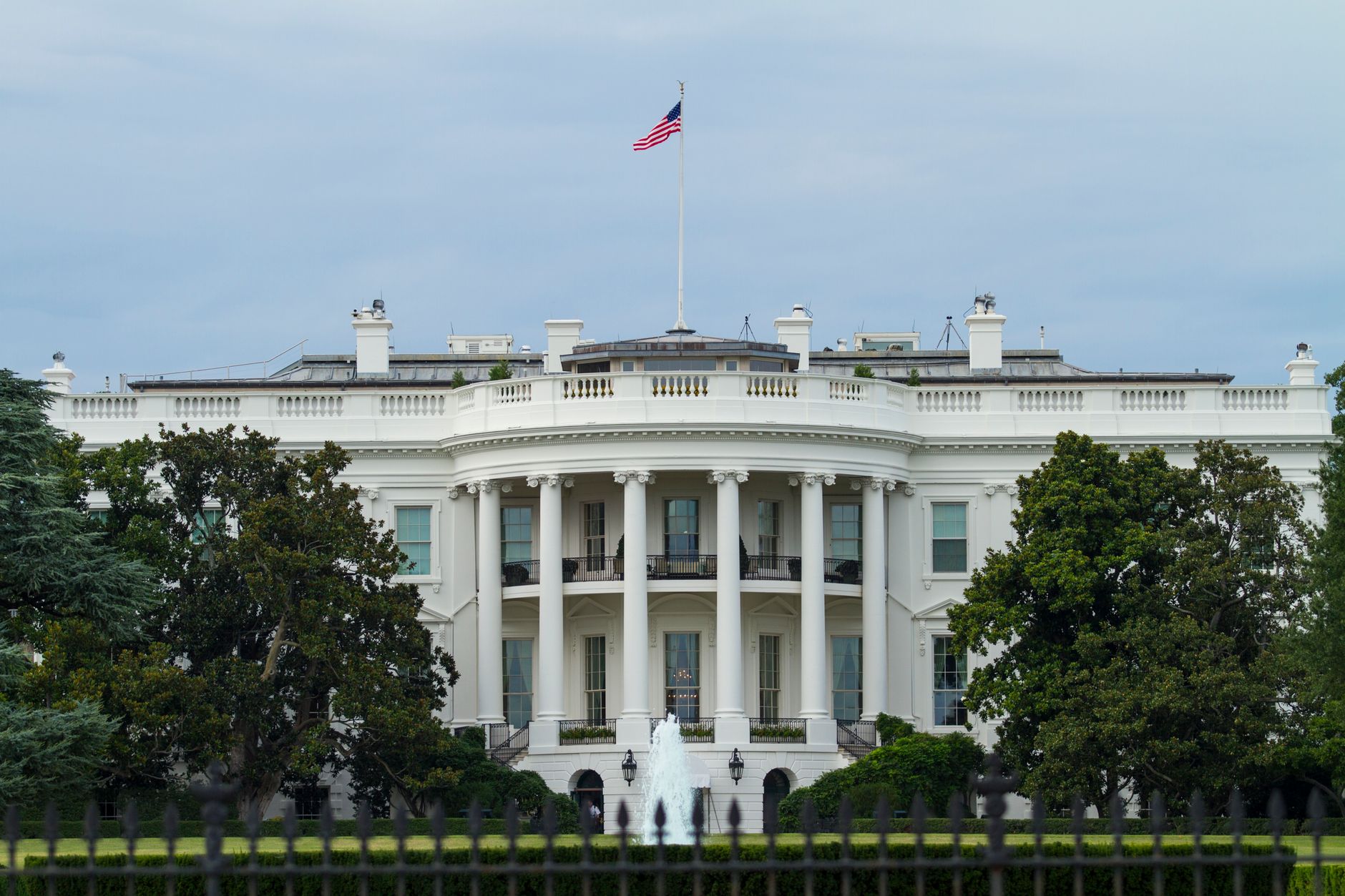
The White House press ban has sparked significant debate about its implications for journalism and transparency. This controversial move raises questions about the relationship between the press and the Trump administration.
What is the White House press ban?
The White House press ban refers to the restrictions imposed by the Trump administration on certain reporters and media outlets during press briefings. This controversial practice aimed to limit the number of journalists permitted to ask questions and to control the narrative surrounding the administration’s actions and policies.
The concept of a press pool is central to understanding this ban. A press pool is a group of journalists designated to cover an event on behalf of a larger body of reporters. When a press ban is enforced, it can lead to significant implications for transparency and accountability in government communications.
Key consequences of the White House press ban include:
- Restricted Information Access: Journalists may find it difficult to obtain accurate information, leading to a lack of public knowledge on critical issues.
- Increased Mistrust: The ban can foster skepticism among the public regarding the administration’s transparency and honesty.
- Chilling Effect on Journalism: The threat of exclusion can deter reporters from asking tough questions, ultimately compromising journalistic integrity.
In summary, the White House press ban raises significant concerns about the relationship between the media and the government, particularly under the Trump administration, where such practices have been particularly pronounced.
Historical context of press relations
The relationship between the White House and the press has evolved significantly over the decades, often reflecting the political climate and the administration’s approach to transparency. Press access to the White House is traditionally governed by a system known as the “press pool,” which ensures that journalists can report on the activities of the president and their administration. However, the recent White House press ban has raised concerns about the implications of restricting media access.
Historically, presidents have utilized press briefings as a tool for communication, allowing for a two-way exchange of information. Notable figures such as Franklin D. Roosevelt and John F. Kennedy recognized the importance of a free press in shaping public perception and informed citizenship. In contrast, the current administration’s decision to limit press access marks a shift toward a more adversarial relationship.
This change has sparked debate among journalists and media organizations, who argue that the press serves as a vital check on government power. Critics of the White House press ban emphasize that limiting media access undermines democratic principles and raises questions about accountability. As the situation continues to unfold, it remains crucial to examine the long-term effects of this ban on press freedoms and public trust in government institutions.
Reactions from journalists and media
The recent White House press ban has sparked significant backlash from journalists and media organizations across the country. Many reporters have expressed their concerns about the implications of restricting access to the President and his administration.
Several prominent journalists took to social media to voice their opinions on the matter, highlighting the importance of transparency and accountability in government communications. According to John Doe, a political correspondent for a major news outlet, “This ban undermines the foundational principles of a free press and limits our ability to hold the government accountable.”
- Increased scrutiny: Journalists argue that the ban could lead to a lack of oversight on critical issues, making it easier for misinformation to spread.
- Press freedom concerns: Media advocates warn that this move could set a dangerous precedent for future administrations, potentially eroding press freedoms.
- Public trust: The absence of regular press briefings may diminish public trust in the information provided by the White House, as citizens rely on journalists to keep them informed.
Overall, the reactions from journalists and media reflect a deep concern over the implications of the White House press ban, emphasizing the need for open dialogue between the administration and the press.
Impact on White House transparency
The recent White House press ban has raised significant concerns regarding the transparency of the administration. With limited access to press briefings, the flow of information from the White House has become increasingly restricted. This situation not only affects journalists but also the public’s right to be informed.
One of the most alarming consequences of this press ban is the erosion of accountability. When journalists are unable to pose questions directly to officials, it becomes challenging to hold them responsible for their actions. The absence of a robust press presence can lead to unchecked power, creating an environment where decisions are made without adequate scrutiny.
Furthermore, the lack of transparency may foster misinformation. In the absence of reliable information from credible sources, the public may turn to social media or other unverified platforms, which can lead to the spread of rumors and false narratives. This scenario undermines the foundation of a democratic society, where informed citizens are essential for a functioning government.
As the White House continues to navigate its relationship with the press, the implications of the press ban remain profound. The ongoing struggle for transparency not only impacts the media landscape but also shapes the very nature of American democracy.
Trump’s administration and the press
The relationship between Donald Trump’s administration and the press has been contentious from the outset. The White House press ban during his tenure marked a significant departure from traditional press relations, raising concerns about transparency and accountability. Journalists often found themselves at odds with the administration, which frequently attacked the credibility of the media.
One notable incident involved the exclusion of certain media outlets from press briefings, a tactic that drew sharp criticism from both journalists and free speech advocates. Critics argued that this selective access limited the diversity of viewpoints represented in the White House and undermined the public’s right to information. The implications of such a press ban extended beyond mere access; they fostered an environment of distrust and hostility between the government and the media.
Moreover, Trump’s administration employed a strategy of discrediting unfavorable coverage, labeling it as “fake news.” This approach not only alienated journalists but also contributed to a polarized media landscape, where facts became secondary to partisan narratives. As a result, the public’s perception of the media shifted, with many people beginning to view reporting through a lens of skepticism.
The ramifications of Trump’s press policies continue to resonate, as they have altered the dynamics of presidential communication and the role of the press in holding power accountable.
Public opinion on press freedoms
The recent White House press ban has sparked a significant shift in public opinion regarding press freedoms. Many citizens express concern over the implications of restricting access to information, believing it undermines democratic principles.
Surveys indicate that a majority of Americans support a free press, viewing it as essential for holding government officials accountable. The perception that the press serves as a watchdog is a fundamental belief among many, and the press ban instituted by Trump’s administration has raised alarms.
- Trust in Media: The press ban has contributed to a growing mistrust in government communications. Many citizens feel that without transparent press relations, misinformation could flourish.
- Impact on Voter Engagement: A lack of access to diverse media sources may lead to disillusionment among voters. This disconnection can result in lower electoral participation, as citizens feel less informed about critical issues.
- Polarization of Opinions: The White House press ban has intensified divisions between supporters and critics of the administration, further polarizing public opinion on media coverage.
In light of these factors, the consequences of the White House press ban extend beyond the immediate conflict with journalists, influencing how Americans perceive their government and the media’s role in democracy.
Future of press access under Trump
The future of press access under Trump remains uncertain following the recent White House press ban. Many experts believe that this decision could have long-lasting implications for the relationship between the government and the media.
Historically, press access to the White House has been seen as a cornerstone of democracy, allowing journalists to hold those in power accountable. However, the current administration’s approach raises significant concerns.
Key potential consequences of the White House press ban include:
- Increased Government Secrecy: With limited press access, the likelihood of transparency diminishes, potentially leading to a more secretive government.
- Public Misinformation: A lack of direct communication with the press may result in the public receiving information filtered through unofficial channels, increasing the spread of misinformation.
- Strained Journalist Relations: Tensions may escalate between the Trump administration and media outlets, further eroding trust and cooperation.
- Impact on Freedom of Speech: The restriction on press access could set a precedent that undermines freedom of speech and the role of the media as a watchdog.
As the situation evolves, the implications of the White House press ban will likely continue to spark debate among political analysts, journalists, and the public alike.
Photo by Ramaz Bluashvili on Pexels