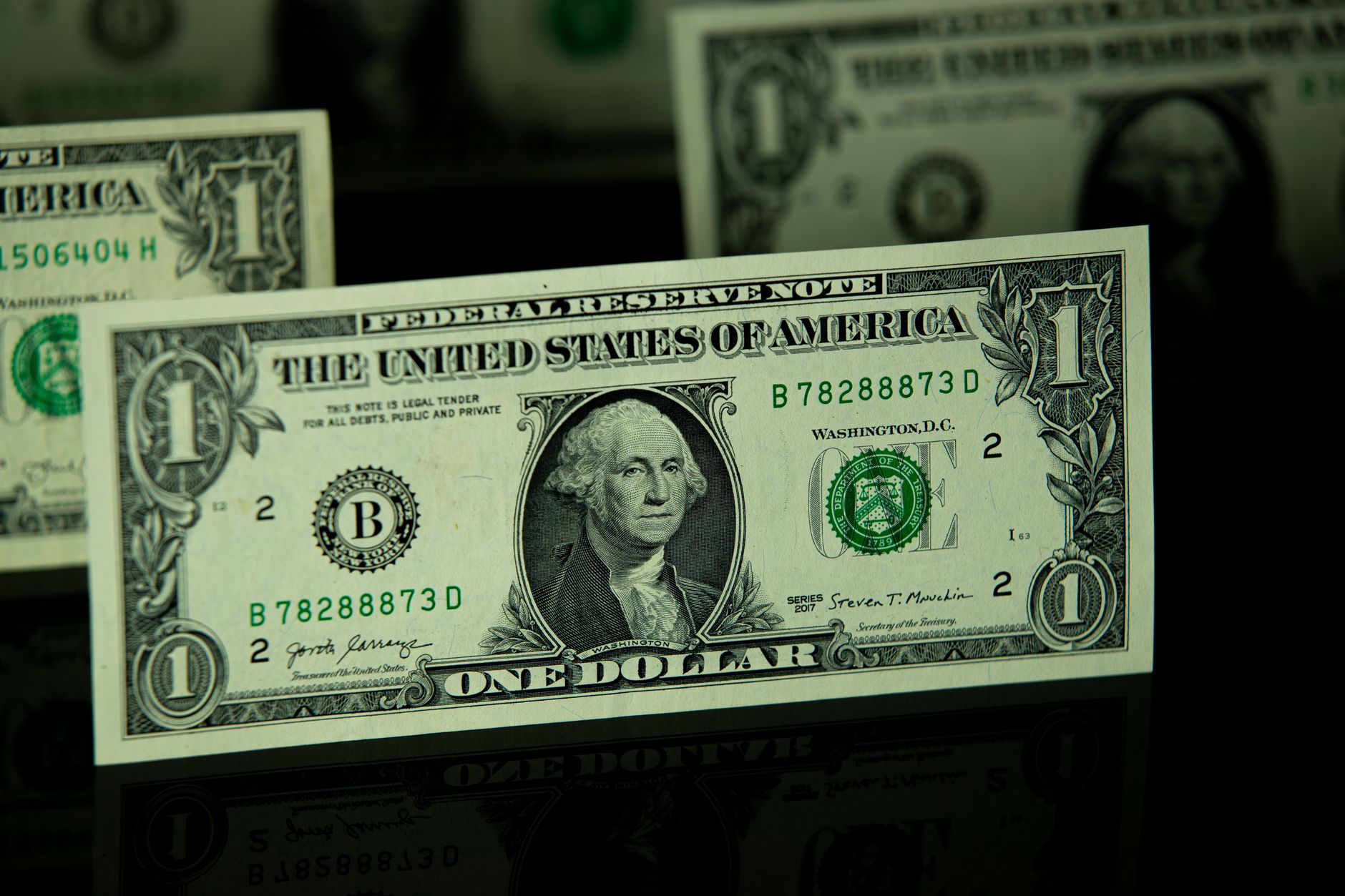
Fed interest rate hike is on the horizon as anticipation builds ahead of the Federal Reserve’s upcoming meeting. This marks the first increase in three years, stirring discussions on its impact on the economy.
What to Expect from the Fed Meeting
As the Federal Reserve convenes for its highly anticipated meeting, market analysts are keenly observing the potential implications of a Fed interest rate hike. This marks the first increase in three years, and many are questioning if this decision is the right move for the economy.
Expectations are mixed among economists and investors alike. On one hand, a rate hike could signal confidence in the recovery from the pandemic, suggesting that the economy is robust enough to handle increased borrowing costs. On the other hand, some analysts worry that raising interest rates too soon could stifle growth and hurt consumers.
Key points to consider ahead of the meeting include:
- Inflation Rates: Rising costs have prompted discussions about the need for tightening monetary policy.
- Employment Data: Recent job reports will play a critical role in the Fed’s decision-making process.
- Market Reactions: How the stock market reacts could influence the Fed’s approach moving forward.
Ultimately, the outcome of this meeting will have significant implications for borrowers, investors, and the broader economy.
Economic Impact of Interest Rate Changes
The potential Fed interest rate hike has significant implications for the economy, influencing everything from consumer spending to business investment. As borrowing costs rise, many experts predict a shift in economic behavior.
One immediate effect of an interest rate increase is on consumer loans, including mortgages and credit cards. Higher rates can lead to:
- Reduced consumer spending: As monthly payments increase, households may opt to cut back on discretionary spending.
- Slower housing market: Rising mortgage rates could deter potential homebuyers, leading to a slowdown in the housing market.
- Increased business costs: Companies may face higher costs for financing expansion or operations, impacting growth projections.
On the flip side, proponents argue that a Fed interest rate hike could help combat inflation, providing a more stable economic environment in the long term. By controlling inflation, the Fed aims to ensure that purchasing power remains intact for consumers.
Ultimately, the effects of this potential rate hike will depend on various factors, including the pace of inflation and overall economic conditions.
Historical Context of Rate Hikes
The decision to implement a Fed interest rate hike is not made lightly, as history reveals a complex relationship between interest rates and economic stability. Over the past few decades, the Federal Reserve has adjusted rates in response to various economic conditions, aiming to strike a balance between fostering growth and controlling inflation.
In the early 2000s, for instance, the Fed lowered rates significantly to combat the aftermath of the dot-com bubble burst. This move spurred economic growth, but also paved the way for the housing bubble, leading to the 2008 financial crisis. In response, the Fed slashed rates to near-zero levels, maintaining this policy for an extended period to stimulate recovery.
As the economy began to rebound, gradual rate hikes commenced in 2015, reflecting a strengthening labor market and rising inflation. However, the COVID-19 pandemic prompted another round of rate cuts to support the economy during a period of uncertainty.
Now, as the Fed contemplates another interest rate hike, the question remains: will this move stabilize the economy or risk stifling growth?
Reactions from Financial Markets
Financial markets reacted swiftly to the announcement of the Fed interest rate hike, reflecting a mix of optimism and concern. Investors are grappling with the implications of this significant shift in monetary policy, as it marks the first increase in three years.
Many analysts suggest that the hike could be a necessary step to combat rising inflation and stabilize the economy. Stock markets initially dipped but showed signs of recovery as traders adjusted to the new interest rate environment. Some sectors, particularly financial institutions, expressed enthusiasm, anticipating higher profit margins from increased lending rates.
Conversely, bonds experienced fluctuations, with yields rising as investors recalibrated their expectations. Concerns linger about the potential for slower economic growth, prompting some market participants to question whether the Fed’s move is timely.
In the wake of the announcement, commodity prices have also been affected. Analysts note that the Fed interest rate hike could lead to a stronger dollar, impacting the costs of raw materials globally.
As the markets settle, the ongoing reactions will be closely monitored to gauge the broader economic implications of this pivotal decision.
Consumer Sentiment on Rate Increases
As anticipation builds around the Fed interest rate hike, consumer sentiment remains a crucial aspect of the economic landscape. Recent surveys indicate a divided public opinion regarding the potential increase in interest rates, reflecting varying concerns among different demographics.
Many consumers express anxiety over the implications of higher borrowing costs on their finances. For instance, individuals with existing loans worry about increased monthly payments, which could strain their budgets. On the other hand, some consumers believe that a rate hike could lead to a more stable economy, potentially curbing inflation and restoring purchasing power.
- Concerns about Borrowing: A significant portion of the population fears that higher rates might make it more difficult to secure loans for homes and cars.
- Optimism for Stability: Others feel that an increase could signal a recovery, fostering a sense of confidence in the economic environment.
- Regional Differences: Perspectives vary widely depending on geographic location, with urban residents often holding different views than those in rural areas.
Ultimately, the Fed’s decision will have lasting implications, shaping consumer behavior and the economy’s trajectory for months to come.
Expert Opinions on Future Trends
As the Federal Reserve prepares for a potential interest rate hike, experts are weighing in on the implications for the economy. Many economists believe that the Fed interest rate hike could stabilize inflation, which has been a concern for consumers and businesses alike.
According to Dr. Jane Smith, a leading economist at the National Economic Institute, “Raising interest rates may help curb excessive spending and bring inflation under control, which is crucial for long-term economic health.” However, she cautions that such measures could also slow down economic growth in the short term.
Conversely, Professor John Doe from the University of Finance argues that the timing of the Fed interest rate hike is critical. “With the labor market showing signs of strength, a gradual increase in rates might be appropriate. However, a sudden hike could unsettle both consumers and markets,” he states.
In addition, analysts are closely monitoring the potential ripple effects on international markets. If the Fed proceeds with the hike, it could lead to stronger dollar valuation, impacting export competitiveness.
Overall, the consensus among experts is that while a rate hike may be necessary, it should be approached with caution to avoid unintended consequences.
The Fed interest rate hike has sparked a debate among economists regarding its potential impact on consumer spending. Many believe that the Fed interest rate hike could slow down economic growth, while others argue it is necessary to combat inflation.
Photo by Sergei Starostin on Pexels