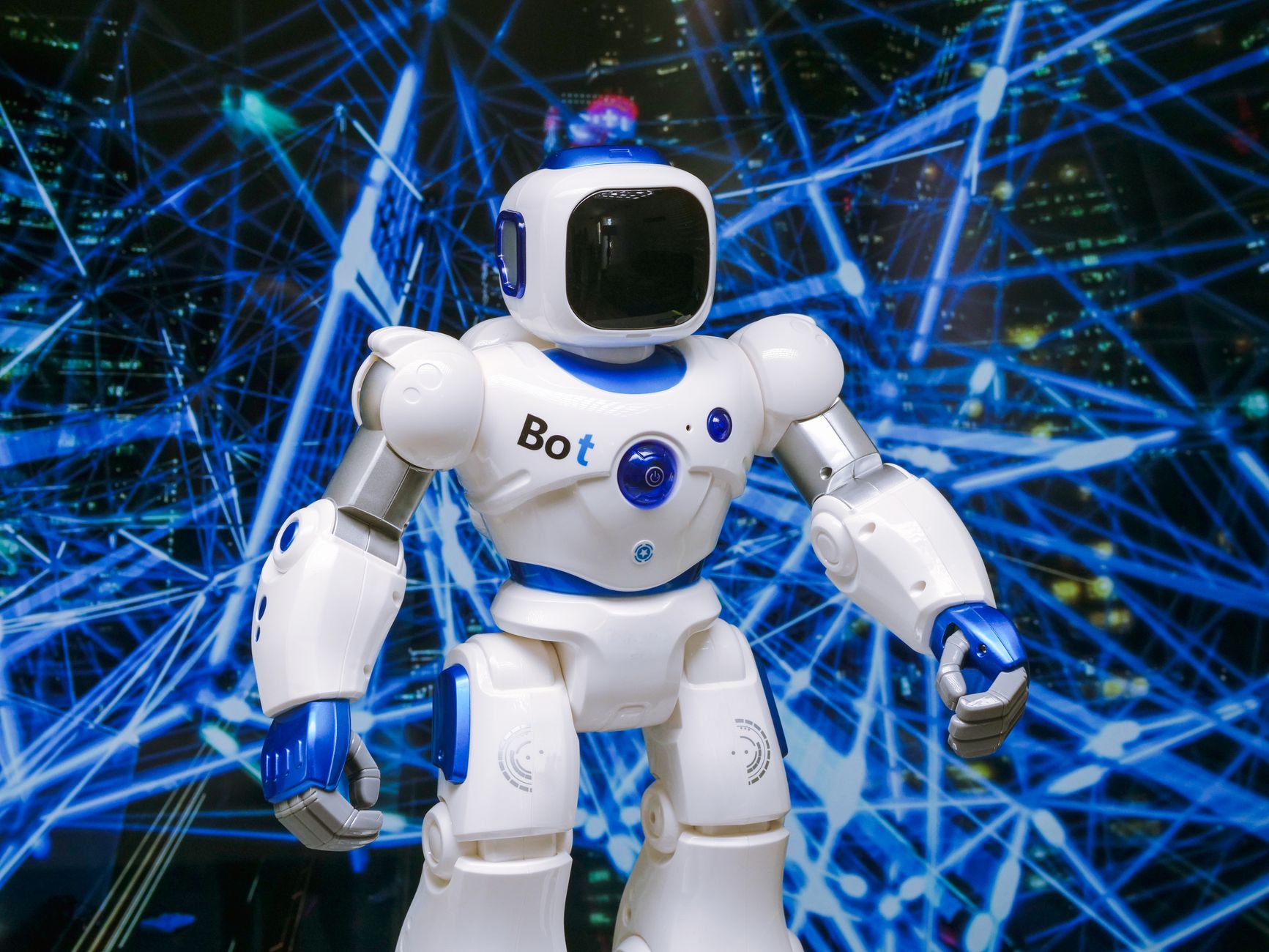
Humanoid robots navigation is transforming the way these machines interact with their environment. With advancements in whole-body AI control, robots are now capable of maneuvering through narrow gaps and overcoming obstacles with ease.
What are humanoid robots?
Humanoid robots are advanced machines designed to replicate the physical form and functions of humans. These robots are engineered to perform a variety of tasks, often in environments where human-like dexterity and mobility are beneficial. They are characterized by their two legs, two arms, and a head, which enable them to interact with the world in a manner similar to people.
Typically, humanoid robots are equipped with a range of sensors, actuators, and artificial intelligence systems that allow them to perceive their surroundings, make decisions, and navigate through complex environments. The ability to navigate effectively is crucial, especially when it comes to humanoid robots navigation, as they must maneuver around obstacles and narrow gaps while maintaining balance and coordination.
Some key features of humanoid robots include:
- Physical flexibility: Their jointed limbs allow for a wide range of movements.
- Sensor integration: They often use cameras and touch sensors to gather information about their environment.
- AI-driven learning: Many humanoid robots can improve their navigation skills through experience.
As technology advances, humanoid robots are becoming increasingly capable of navigating complex environments autonomously.
How do humanoid robots navigate?
Humanoid robots navigate their environments using a combination of advanced sensors, algorithms, and artificial intelligence. These systems enable them to perceive the world around them, allowing for complex decision-making and movement. The primary components involved in humanoid robots navigation include:
- Sensors: Humanoid robots are equipped with various sensors, such as cameras, LIDAR, and ultrasonic sensors, which help them detect obstacles and understand their surroundings.
- Mapping: Using sensor data, these robots create detailed maps of their environment, which assist them in planning their movements effectively.
- Path Planning: Algorithms analyze the maps and determine the best routes, taking into account potential obstacles and the robot’s physical capabilities.
- Control Systems: Advanced control systems enable the robots to execute movement plans smoothly, adjusting their actions in real-time based on feedback from their sensors.
Moreover, whole-body AI control enhances the navigation capabilities of humanoid robots, allowing them to maneuver through narrow gaps and overcome obstacles with agility. This sophisticated technology not only improves their efficiency but also demonstrates the potential for humanoid robots navigation in various real-world applications, from service industries to search and rescue missions.
The role of AI in robot navigation
The advancement of humanoid robots navigation significantly relies on artificial intelligence (AI), which plays a crucial role in enabling these machines to understand and interact with their environment. AI algorithms allow humanoid robots to process vast amounts of sensory data, making real-time decisions that enhance their navigational capabilities.
One of the primary functions of AI in robot navigation is the ability to perceive obstacles and plan optimal paths. This is achieved through:
- Sensing: Humanoid robots utilize various sensors, such as cameras and LIDAR, to gather information about their surroundings.
- Mapping: AI helps in creating accurate maps of the environment, allowing robots to visualize their routes effectively.
- Decision Making: Advanced algorithms enable robots to evaluate multiple navigation strategies and choose the most efficient one.
Moreover, AI enhances the adaptability of humanoid robots, enabling them to learn from their experiences. As they encounter new obstacles or navigate unfamiliar terrains, they continuously improve their navigation skills through machine learning techniques.
Ultimately, the integration of AI into humanoid robots navigation not only improves their efficiency but also makes them more versatile in various applications, from healthcare to service industries.
Challenges faced by humanoid robots
The development of humanoid robots navigation technology presents several challenges that researchers and engineers must overcome to enhance their efficacy in real-world applications.
- Complex Environments: Humanoid robots must navigate in environments that are often unpredictable and cluttered. This complexity can hinder their ability to make real-time decisions and adjustments.
- Balance and Stability: Maintaining balance while moving through varying terrains is a significant challenge. Humanoid robots require advanced algorithms to ensure they can navigate obstacles without falling.
- Sensory Limitations: Current sensors may not provide sufficient data for effective navigation in all scenarios. Improving sensor technology is crucial for enhancing the situational awareness of humanoid robots.
- Energy Efficiency: Navigating through complex environments often consumes substantial energy, which limits the operational time of humanoid robots. Developing more energy-efficient systems is a priority.
- Human Interaction: Humanoid robots are designed to work alongside humans, which introduces challenges in understanding and responding to human behavior during navigation.
Addressing these challenges is essential for the advancement of humanoid robots navigation, ensuring they can perform effectively in diverse applications, from healthcare to disaster response.
Recent advancements in robotics
Recent advancements in robotics have significantly transformed the field of humanoid robots navigation. Engineers and researchers have developed new algorithms and technologies that enhance the ability of these robots to maneuver through complex environments. One of the most notable breakthroughs is the integration of whole-body AI control, which allows humanoid robots to utilize their entire structure for navigation.
These robots can now effectively navigate narrow gaps and avoid obstacles by dynamically adjusting their posture and movements. This capability is a result of improved sensor technology, which provides real-time feedback about the robot’s surroundings. The use of advanced machine learning techniques has also enabled these robots to learn from their experiences, enhancing their navigation skills over time.
Moreover, the collaboration between robotics and computer vision has led to better spatial awareness, allowing humanoid robots to interpret their environment with greater accuracy. As a result, the reliability and efficiency of humanoid robots navigation have reached new heights, making them more suitable for various applications, from healthcare to service industries.
In summary, the progress made in humanoid robots navigation reflects a broader trend in robotics, where technology is rapidly evolving to meet the challenges of real-world environments.
Future of humanoid robots
The future of humanoid robots appears promising, particularly in the field of navigation. As technology advances, humanoid robots are expected to become more efficient in navigating complex environments, showcasing their potential in various applications.
One significant development is the integration of whole-body AI control, which allows these robots to maneuver through narrow gaps and around obstacles with greater agility. This capability opens up new possibilities for their use in settings like disaster response, healthcare, and service industries.
As humanoid robots navigation technology matures, we may see enhancements in their ability to learn from their surroundings and adapt to dynamic situations. Future iterations could incorporate more sophisticated sensors and machine learning algorithms, enabling them to make real-time decisions based on their environment.
Moreover, collaboration between humanoid robots and humans is expected to improve significantly. As these robots become better at understanding human cues and intentions, they will be able to assist more effectively in various tasks, enhancing productivity and safety.
In conclusion, the future of humanoid robots promises to revolutionize their navigation capabilities, making them indispensable companions in both everyday life and specialized fields.
Comparing humanoid robots to traditional robots
When considering humanoid robots navigation, it is essential to compare these advanced machines to traditional robots. While traditional robots often excel in repetitive tasks and operate within structured environments, humanoid robots bring a level of adaptability and flexibility that is increasingly valuable in dynamic settings.
One significant difference lies in the design and functionality of the robots. Traditional robots are typically built for specific tasks, such as assembly line work or warehouse logistics. In contrast, humanoid robots are designed to mimic human movement and behavior, allowing them to navigate complex environments more effectively. This adaptability enables them to handle tasks that require interaction with humans and navigation through obstacles.
- Mobility: Humanoid robots can navigate narrow gaps and uneven surfaces, which traditional robots may struggle with due to their rigid structures.
- Versatility: They can perform a range of tasks from service roles to companionship, whereas traditional robots are often limited in scope.
- Human Interaction: Humanoid robots are better suited for environments where direct interaction with people is necessary, such as healthcare or hospitality.
Overall, while traditional robots have their strengths, the superior navigation capabilities of humanoid robots position them as a compelling option for future applications.
Implications for industries and society
The implications of humanoid robots navigation extend far beyond the confines of laboratories, impacting various industries and society as a whole. As these robots become more adept at navigating complex environments, they are poised to revolutionize sectors such as healthcare, manufacturing, and service industries.
In healthcare, humanoid robots could assist in patient care by navigating hospital corridors, delivering medications, or providing companionship to the elderly. Their ability to maneuver around obstacles and adapt to changing environments makes them invaluable in settings where precision and safety are paramount.
Manufacturing industries could benefit significantly from humanoid robots navigation, as these robots can work alongside humans, improving efficiency and reducing the risk of accidents. By seamlessly transitioning between tasks and avoiding hazards, humanoid robots can enhance productivity while maintaining a safe working environment.
Furthermore, the social implications of humanoid robots are profound. As these robots integrate into public spaces, they may alter human interactions and redefine roles within communities. It is essential to consider ethical concerns, including job displacement and the need for regulations governing their deployment.
Overall, the progress in humanoid robots navigation presents exciting possibilities, but it also necessitates careful deliberation regarding its impact on industries and society.
Photo by Kindel Media on Pexels